


Cheque Bounce: Understanding the Legal Process & Your Rights
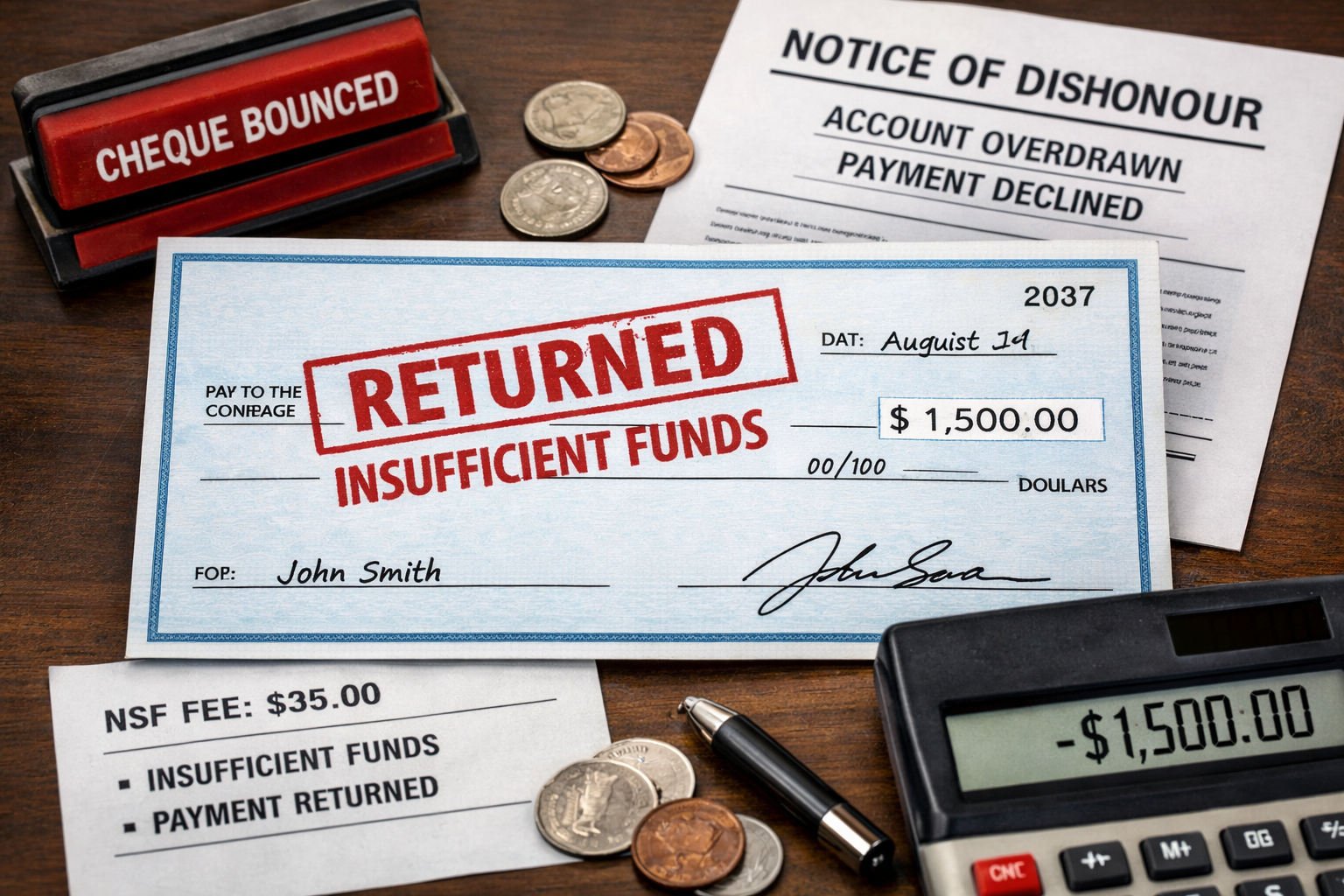
A cheque bounce can create serious financial and legal consequences for both individuals and businesses. Under Section 138 of the Negotiable Instruments Act, 1881, dishonour of a cheque due to insufficient funds or other reasons is treated as a criminal offence. Therefore, it is important to understand the legal remedies, timelines, and rights available to you.
✅ Common Reasons for Cheque Bounce
-
Insufficient balance
-
Signature mismatch
-
Post-dated cheque presented early
-
Account closed
-
Overwriting or damaged cheque
-
Payment stopped by the drawer
⚖️ Legal Remedies Available
If your cheque has bounced, you have the right to take legal action. The steps include:
-
Issuing a Legal Notice within 30 days of receiving the bank memo.
-
Waiting for 15 days after sending the notice for the drawer to make payment.
-
Filing a Complaint before the concerned court if payment is not made.
-
Claiming Compensation, interest, and litigation expenses.
👨⚖️ Why Legal Assistance Matters
Cheque bounce cases require strict adherence to timelines and legal procedures. An experienced lawyer helps in:
-
Drafting legal notices
-
Filing Section 138 complaints
-
Representing in court
-
Negotiating settlements
-
Ensuring maximum compensation
🛡️ Preventive Measures
-
Always keep track of cheque transactions
-
Maintain adequate funds
-
Use digital payment methods for large transactions
-
Reconcile accounts regularly
cheque bounce, cheque bounce lawyer, Section 138 NI Act, cheque dishonour case, legal notice for cheque bounce, criminal lawyer, financial dispute lawyer, cheque bounce complaint, cheque bounce advocate, negotiable instruments act, cheque bounce legal help