



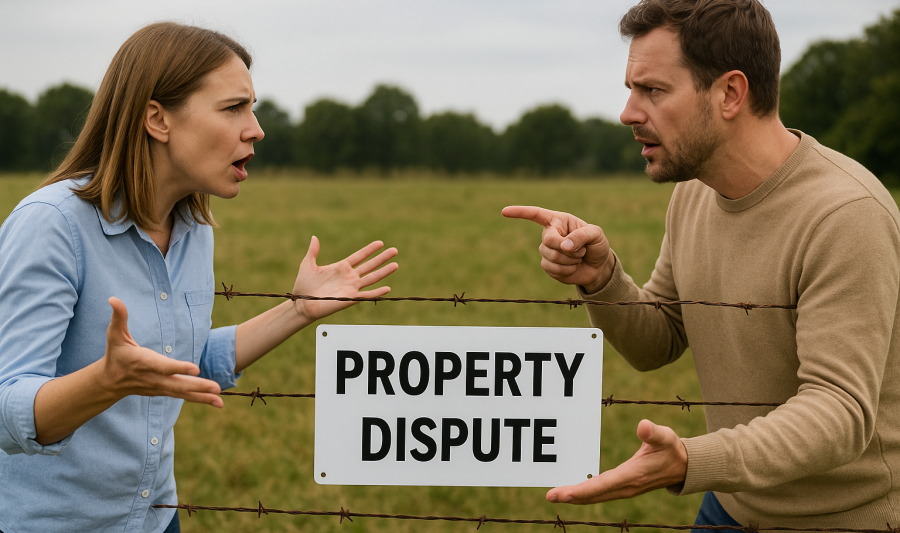
Property Disputes: Causes, Legal Remedies & How to Protect Your Rights
Property disputes are among the most common legal conflicts in India, often arising due to unclear ownership, boundary issues, family disagreements, or fraudulent transactions. Because property holds high financial and emotional value, even a small misunderstanding can grow into a major legal battle. Understanding your rights and the legal remedies available can help you handle such disputes with clarity and confidence.
Common Causes of Property Disputes
Property disputes usually arise from several situations, including:
-
Illegal possession or encroachment
-
Family property disputes / inheritance conflicts
-
Disagreements in joint ownership
-
Title defects or unclear documentation
-
Fraudulent sale or forged property papers
-
Boundary or easement issues
-
Builder-buyer disputes in real estate projects
Each situation requires a tailored legal approach to ensure your rights are protected effectively.
Legal Remedies Available
Indian law provides multiple remedies to resolve property disputes, such as:
1. Civil Suit for Declaration
If ownership or title is unclear, you can file a suit seeking a court declaration confirming your legal rights.
2. Suit for Possession
This remedy is available when someone unlawfully occupies or encroaches on your property.
3. Injunction Orders
Courts can grant temporary or permanent injunctions to stop construction, prevent sale, or restrict illegal activities.
4. Partition Suit
Ideal for family or joint properties where co-owners want a legal division of the property.
5. Specific Performance
Useful when a party backs out of a property sale agreement despite a valid contract.
6. RERA Complaints
For builder-buyer disputes involving delays, defects, or non-delivery of possession.
How to Prevent Property Disputes
To reduce the risk of litigation, it helps to:
-
Verify title documents, encumbrance certificate (EC), and previous ownership.
-
Register sale deeds and agreements properly.
-
Prepare clear family settlement deeds or wills.
-
Conduct due diligence before buying or investing.
-
Maintain updated property records and tax receipts.
-
Consult a lawyer before signing any property-related document.
When to Contact a Property Dispute Lawyer
If you notice any sign of fraud, illegal construction, family disagreements, or encroachment, consulting an experienced property dispute lawyer early can save time, money, and stress. A legal professional can help you evaluate your rights, prepare strong documentation, and represent you effectively in court or settlement negotiations.