


Property Dispute Cases in India: Legal Remedies, Types & Expert Guidance (2026)
Property disputes are among the most common legal conflicts in India, often involving ownership rights, inheritance issues, illegal possession, or contractual disagreements. With rising real estate values and complex documentation processes, such disputes can become prolonged and stressful. Therefore, understanding the legal framework and available remedies is essential to safeguard your rights.
What is a Property Dispute?
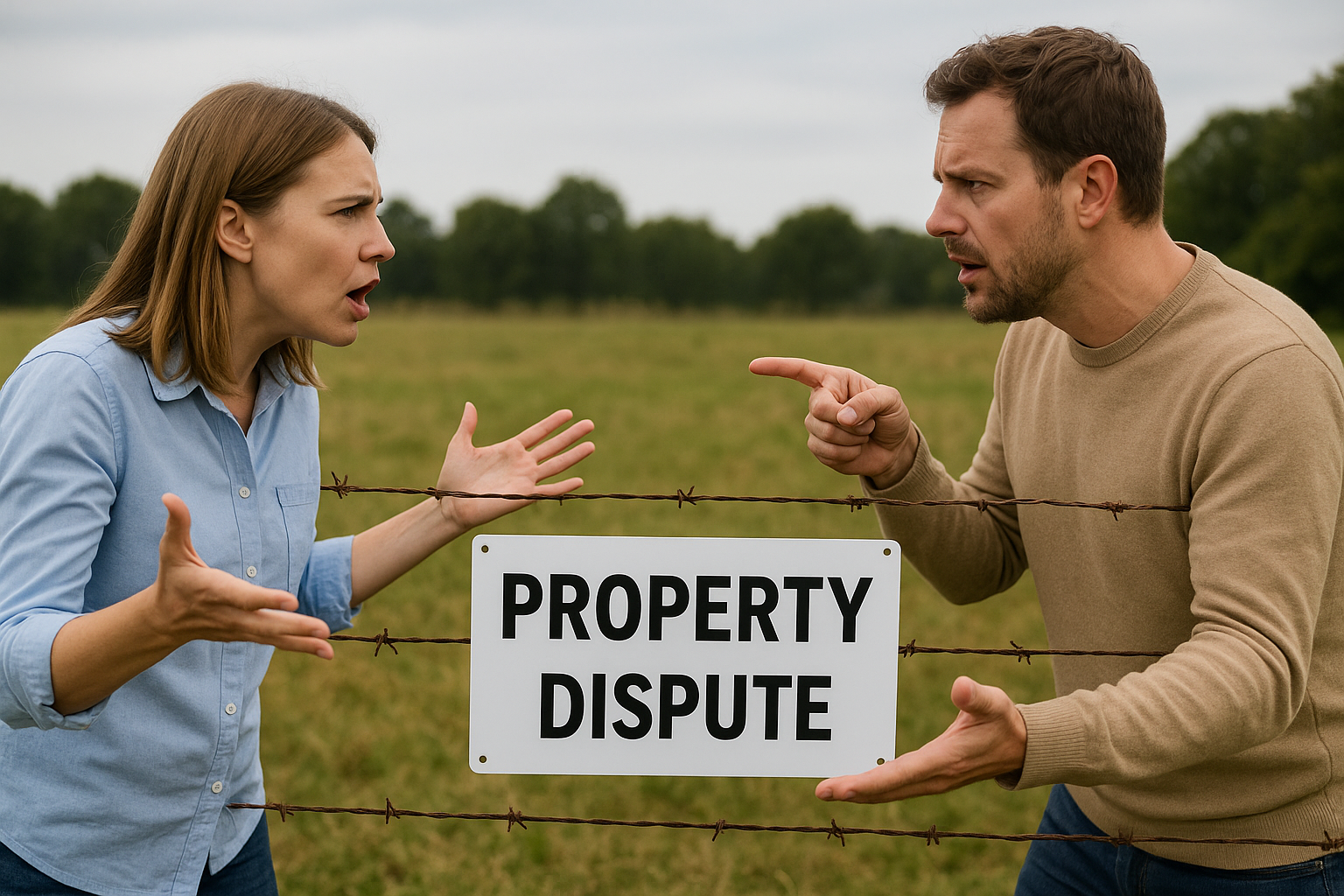
A property dispute refers to any disagreement over the ownership, possession, or usage of a property. These disputes may arise between family members, buyers and sellers, landlords and tenants, or even between developers and investors.
Common Types of Property Disputes in India
1. Ownership Disputes
Ownership disputes arise when two or more parties claim rights over the same property. This often occurs due to unclear titles or fraudulent transactions.
2. Inheritance & Partition Disputes
Such disputes are common in family properties, especially when there is no will or unclear succession planning under laws like the Hindu Succession Act, 1956.
3. Illegal Possession / Encroachment
Encroachment cases occur when someone unlawfully occupies your land or property without permission.
4. Landlord-Tenant Disputes
Issues related to rent, eviction, or misuse of property fall under this category, governed by various Rent Control Acts.
5. Builder-Buyer Disputes
Delays in possession, poor construction quality, or violation of agreements often lead to disputes, regulated by Real Estate (Regulation and Development) Act, 2016.
Legal Remedies Available
✅ Civil Suit for Declaration & Possession
You can file a civil suit to establish ownership rights or recover possession of your property.
✅ Injunction Orders
Courts may grant temporary or permanent injunctions to prevent illegal construction or sale of disputed property.
✅ Partition Suit
In case of joint ownership, a partition suit helps in dividing the property legally among rightful owners.
✅ Specific Performance
If a party fails to honor a property agreement, you can seek enforcement through court.
✅ Complaint under RERA
For builder-related issues, filing a complaint under RERA ensures faster resolution and compensation.
Important Documents in Property Disputes
- Sale Deed / Title Deed
- Encumbrance Certificate
- Property Tax Receipts
- Approved Building Plan
- Will / Probate Documents
- Agreement to Sell
Steps to Resolve Property Disputes
- Legal Consultation – Consult an experienced property lawyer.
- Title Verification – Conduct due diligence of ownership documents.
- Negotiation / Mediation – Attempt out-of-court settlement.
- File a Case – Initiate civil proceedings if necessary.
- Follow Court Process – Attend hearings and submit evidence.
Why Legal Assistance is Important
Property disputes involve technical legal procedures and documentation. An experienced advocate ensures:
- Proper case strategy
- Accurate documentation
- Timely filings
- Strong representation in court
Conclusion
Property disputes in India can be legally complex and emotionally draining. However, with proper legal guidance and timely action, these issues can be resolved effectively. Whether it’s a family dispute or a builder-related conflict, knowing your rights and remedies is the first step toward securing your property.