


Cheque Bounce Cases in India: Legal Action, Penalties & Recovery Process
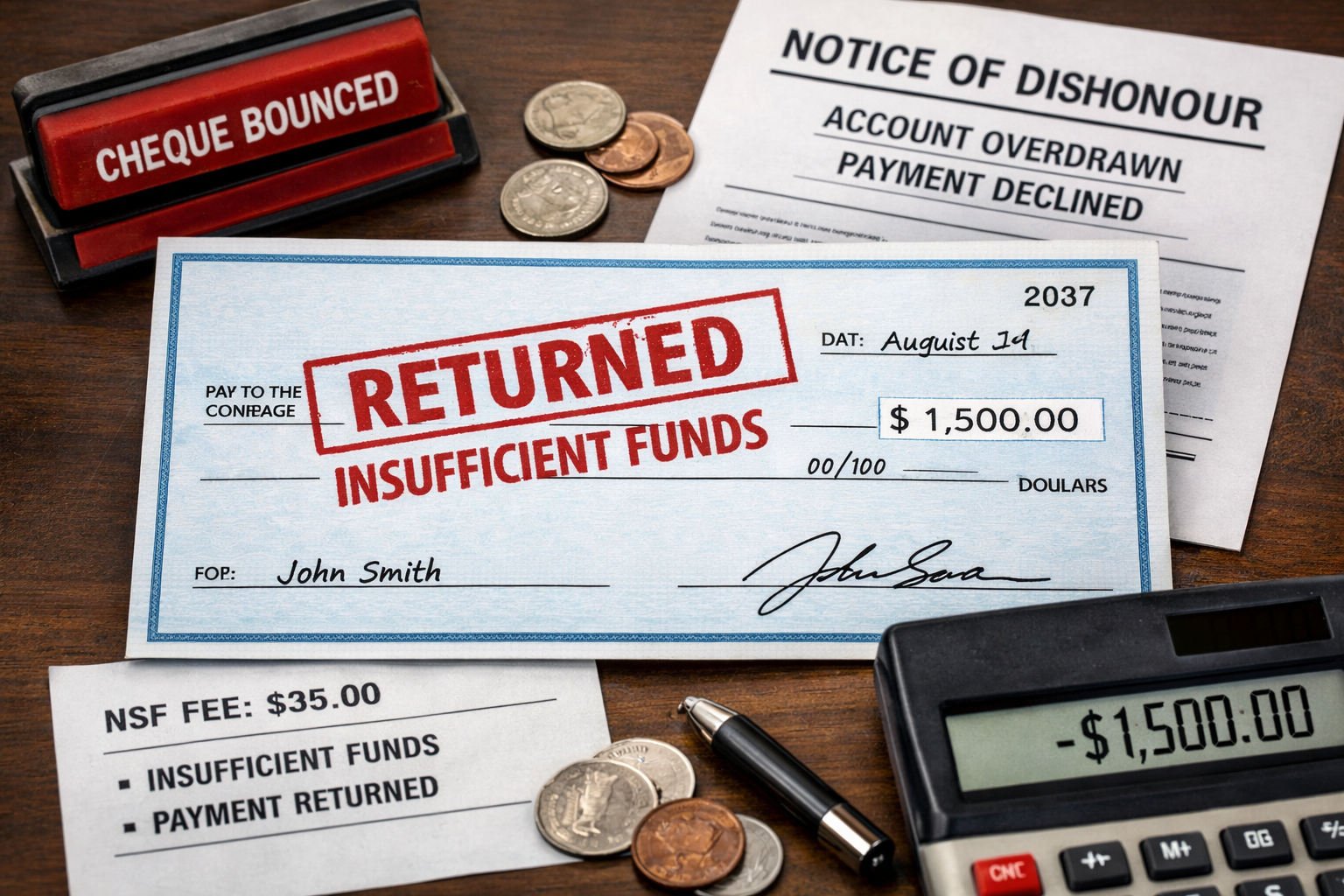
Cheque bounce cases are among the most common financial disputes in India. When a cheque issued by a person is dishonoured by the bank due to insufficient funds or other reasons, it can lead to serious legal consequences. The law governing cheque bounce cases is primarily covered under Negotiable Instruments Act, 1881, making it a criminal offense under specific conditions.
What is a Cheque Bounce Case?
A cheque bounce, also known as dishonour of cheque, occurs when a bank refuses to honor a cheque due to:
- Insufficient funds
- Signature mismatch
- Account closed
- Overwriting or technical errors
Such dishonour can result in legal proceedings if the cheque was issued towards repayment of a legally enforceable debt or liability.
Legal Provision Under Section 138
Section 138 of the Negotiable Instruments Act, 1881 deals specifically with cheque bounce cases.
Key Conditions to File a Case:
- Cheque must be issued for a legally valid debt
- Cheque must be presented within 3 months of issuance
- Dishonour must be due to insufficient funds
- Legal notice must be sent within 30 days of dishonour
- Drawer fails to pay within 15 days of receiving notice
Legal Procedure for Filing a Cheque Bounce Case
1. Sending a Legal Notice
The payee must send a demand notice within 30 days from the date of cheque bounce.
2. Filing a Complaint
If payment is not received within 15 days, a complaint can be filed before the Magistrate.
3. Court Proceedings
The court examines evidence, hears both parties, and proceeds with the trial.
4. Judgment & Recovery
If proven guilty, the court may impose penalties or imprisonment.
Penalty for Cheque Bounce
Under Section 138:
- Imprisonment up to 2 years, or
- Fine up to twice the cheque amount, or
- Both
Courts may also direct compensation to the complainant.
Common Defenses in Cheque Bounce Cases
The accused may defend the case by proving:
- No legally enforceable debt existed
- Cheque was issued as security
- Signature was forged
- Legal notice was not properly served
Recent Legal Developments
Indian courts have emphasized speedy disposal of cheque bounce cases to reduce pendency. Digital transactions and electronic evidence are also increasingly recognized in such cases.
Importance of Hiring a Cheque Bounce Lawyer
An experienced lawyer can:
- Draft effective legal notices
- Handle court procedures efficiently
- Represent clients in negotiations and settlements
- Ensure faster recovery of money
Professional legal assistance improves the chances of success in cheque bounce disputes.
How to Prevent Cheque Bounce Issues
- Always maintain sufficient bank balance
- Verify details before issuing cheques
- Use digital payment methods when possible
- Maintain proper financial records
Conclusion
Cheque bounce cases are not just financial disputes but also criminal matters under Indian law. Understanding the legal framework and acting within the prescribed timelines is crucial. Whether you are a complainant seeking recovery or a defendant facing charges, timely legal action and expert guidance are essential.