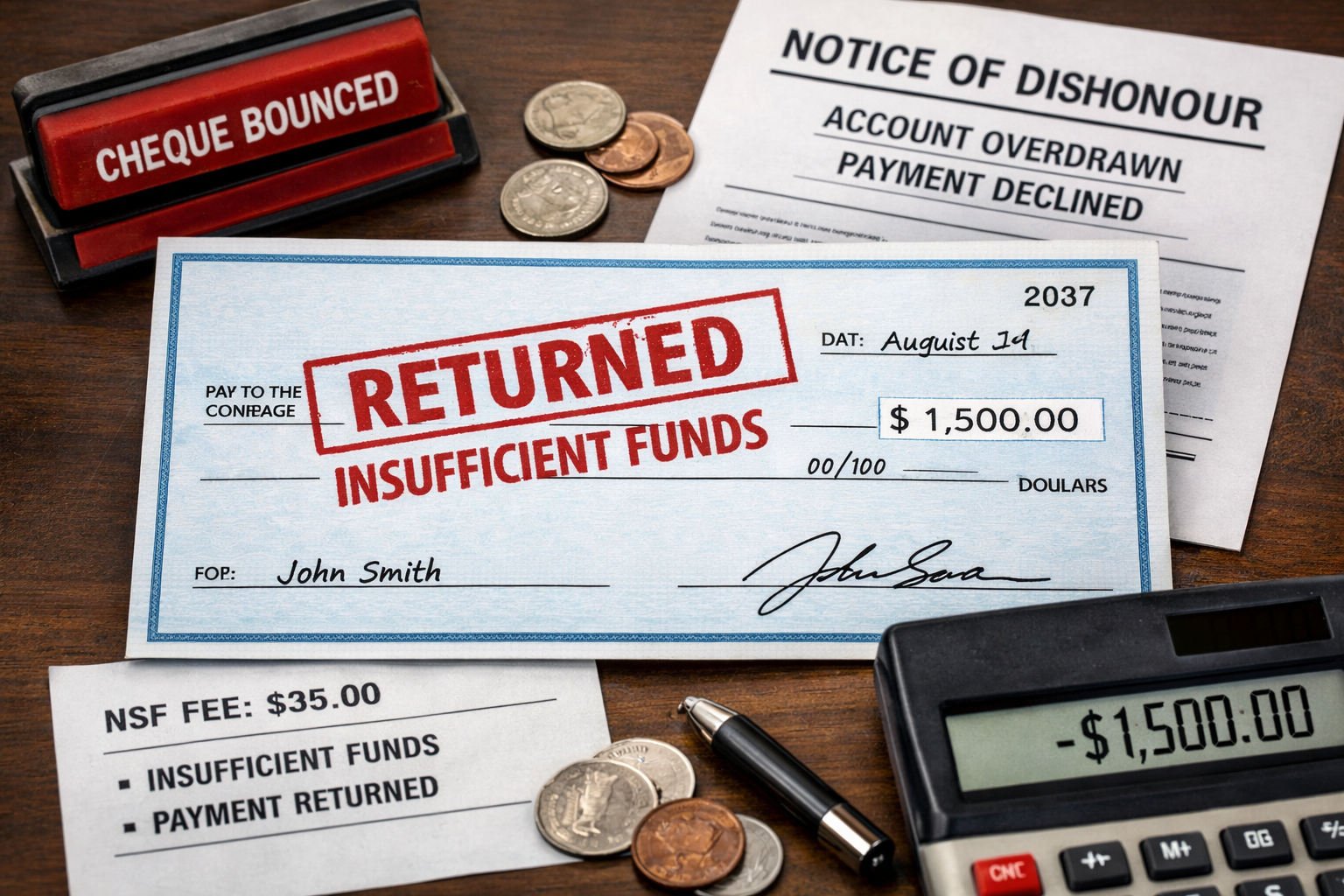



A cheque bounce case arises when a cheque issued by a person is returned unpaid by the bank due to insufficient funds, signature mismatch, account closure, or other banking reasons. In India, cheque bounce is treated as a serious financial offense and is primarily governed by Section 138 of the Negotiable Instruments Act, 1881. This law protects the rights of the payee and ensures financial discipline in commercial transactions.
Common Reasons for Cheque Bounce
There are several reasons why a cheque may be dishonored by the bank, including:
-
Insufficient balance in the account
-
Signature mismatch with bank records
-
Overwriting or alteration on the cheque
-
Account closure by the issuer
-
Expired or stale cheque (usually valid for 3 months)
-
Stop payment instructions given by the issuer
When a cheque is returned unpaid, the bank issues a cheque return memo stating the reason for the dishonor.
Legal Procedure for Filing a Cheque Bounce Case
If a cheque is dishonored, the payee can initiate legal action by following these steps:
-
Cheque Return Memo:
The bank provides a memo explaining the reason for the bounce. -
Legal Notice:
The payee must send a legal demand notice to the drawer within 30 days of receiving the return memo, demanding payment of the cheque amount. -
Waiting Period:
The drawer has 15 days from receiving the notice to make the payment. -
Filing a Case:
If the payment is not made within the given period, the payee can file a complaint in the appropriate Magistrate Court within 30 days after the notice period expires.
Penalties for Cheque Bounce
Under Section 138 of the Negotiable Instruments Act, the court may impose:
-
Imprisonment up to 2 years, or
-
Fine up to twice the cheque amount, or
-
Both imprisonment and fine, depending on the seriousness of the case.
Importance of Legal Assistance
Handling cheque bounce cases requires proper documentation, timely notices, and correct legal procedures. An experienced lawyer can help draft legal notices, represent the complainant in court, and ensure compliance with legal timelines. Professional legal guidance increases the chances of recovering the cheque amount and resolving the dispute effectively.
Conclusion
Cheque bounce cases are common in business and personal transactions, but the law provides strong remedies to protect the rights of the payee. By taking timely legal action under the Negotiable Instruments Act, individuals and businesses can enforce financial accountability and safeguard their monetary interests.