


Cheque Bounce Cases in India: Legal Provisions, Procedure, and Remedies
Cheque bounce cases are among the most commonly reported financial disputes in India. With the widespread use of cheques in business transactions, rental payments, loans, and personal dealings, dishonour of cheques has become a frequent legal issue. The Indian legal system treats cheque bounce as a serious offence to maintain trust and credibility in financial transactions.
This article explains cheque bounce cases in detail, including legal provisions, causes, procedure, penalties, and remedies available to both complainants and accused persons.
What Is a Cheque Bounce Case?
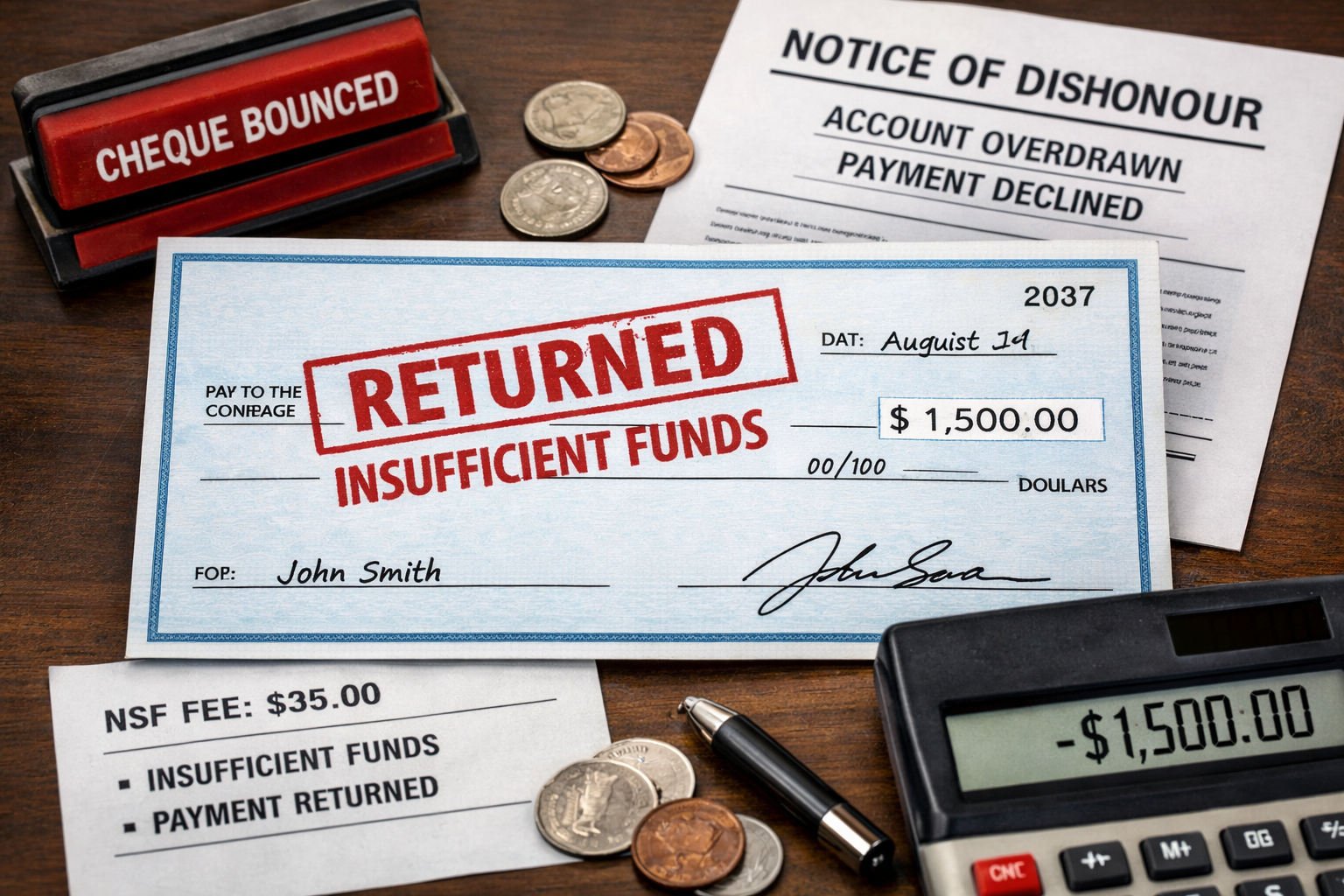
A cheque bounce occurs when a cheque issued by a drawer is returned unpaid by the bank. This usually happens due to insufficient funds, mismatch of signatures, or closure of the account. When a cheque is dishonoured for legally recognised reasons, it becomes an offence under Section 138 of the Negotiable Instruments Act, 1881.
The objective of Section 138 is to ensure reliability and faith in cheque-based transactions and to prevent misuse of negotiable instruments.
Common Reasons for Cheque Bounce
Cheque dishonour can occur due to various reasons, including:
-
Insufficient balance in the bank account
-
Account closed by the drawer
-
Signature mismatch
-
Expired or stale cheque
-
Payment stopped by the drawer
-
Mismatch in date, amount, or payee name
-
Cheque damaged or overwritten
Not all reasons result in criminal liability, but dishonour due to insufficient funds or account closure generally attracts Section 138 proceedings.
Legal Provision: Section 138 of the Negotiable Instruments Act
Under Section 138, a cheque bounce becomes a criminal offence if:
-
The cheque was issued to discharge a legally enforceable debt or liability
-
The cheque is presented within its validity period (generally three months)
-
The cheque is returned unpaid by the bank
-
A legal notice is sent within 30 days of receiving the bank return memo
-
The drawer fails to make payment within 15 days of receiving the notice
If all conditions are fulfilled, the complainant can initiate criminal proceedings.
Procedure for Filing a Cheque Bounce Case
1. Dishonour of Cheque
The bank issues a return memo stating the reason for dishonour.
2. Sending Legal Notice
A written legal notice demanding payment must be sent to the drawer within 30 days of cheque bounce.
3. Waiting Period
The drawer gets 15 days to make payment after receiving the notice.
4. Filing the Complaint
If payment is not made, a criminal complaint can be filed before the Magistrate within 30 days after the notice period expires.
5. Court Proceedings
The court issues summons, records evidence, and conducts trial as per criminal procedure.
Punishment and Penalty for Cheque Bounce
If found guilty under Section 138, the accused may face:
-
Imprisonment up to two years, or
-
Fine up to twice the cheque amount, or
-
Both imprisonment and fine
Courts often encourage settlement and compounding of offences to reduce litigation.
Civil Remedy in Cheque Bounce Cases
Apart from criminal proceedings, the complainant can also:
-
File a civil recovery suit for cheque amount
-
Claim interest and damages
-
Seek summary proceedings under Order XXXVII of CPC
Civil remedies can be pursued independently or along with criminal cases.
Defences Available to the Accused
An accused person may defend a cheque bounce case by proving:
-
No legally enforceable debt existed
-
Cheque was issued as security
-
Cheque was misused or stolen
-
Legal notice was not properly served
-
Payment was already made
Each case depends on evidence, documents, and factual circumstances.
Importance of Legal Assistance in Cheque Bounce Cases
Cheque bounce matters involve strict timelines and procedural compliance. Even a minor delay in sending notice or filing the complaint can weaken the case. Similarly, accused persons require timely legal advice to avoid unnecessary penalties or arrest.
Engaging an experienced cheque bounce lawyer ensures proper drafting of notices, effective representation in court, and better chances of settlement or relief.
Conclusion
Cheque bounce cases play a crucial role in enforcing financial discipline and protecting the credibility of negotiable instruments in India. Whether you are a complainant seeking recovery or an accused facing allegations, understanding your legal rights and obligations is essential. Prompt legal action and professional guidance can help resolve cheque bounce disputes efficiently.