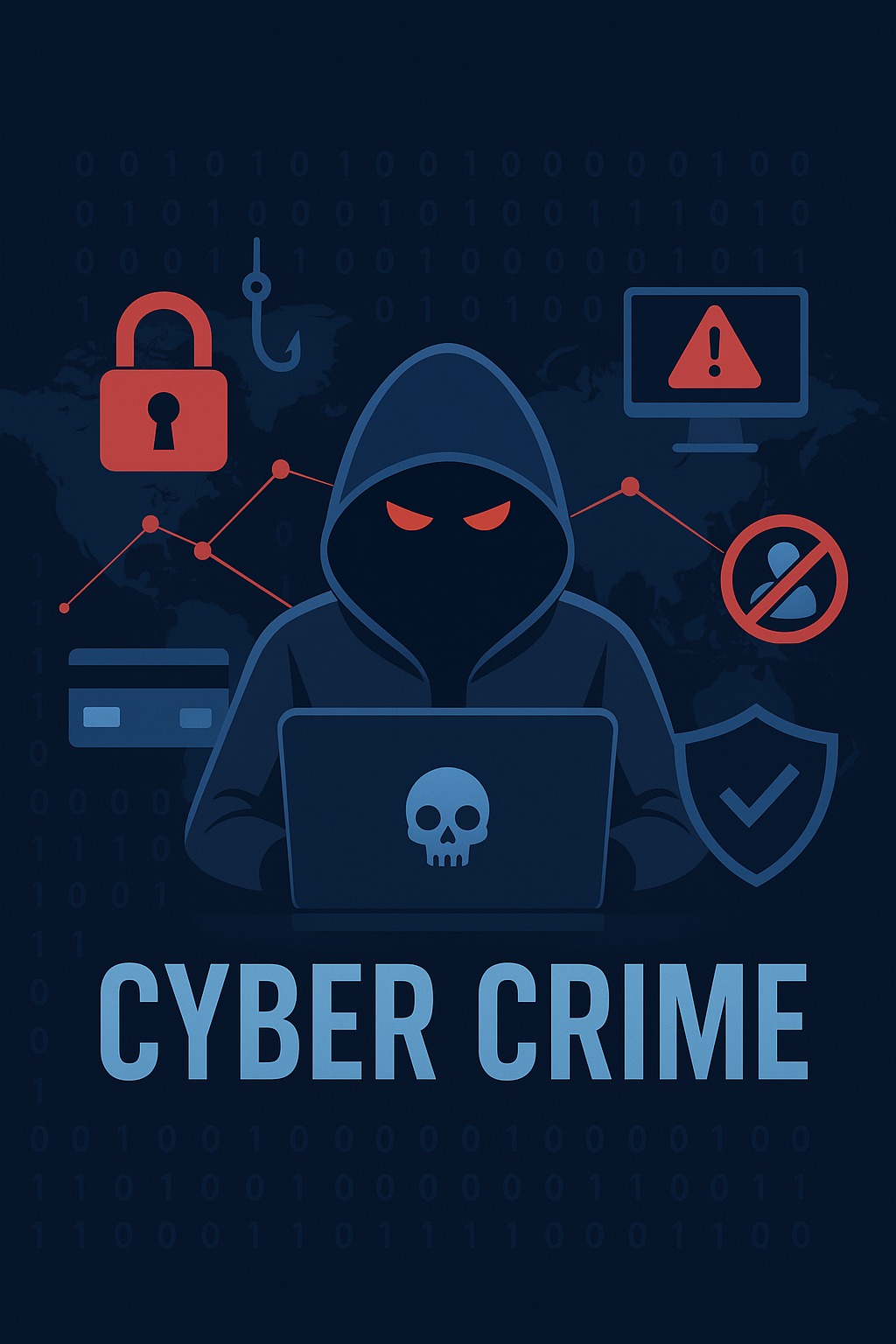




Cyber Threat Cases in India: Rising Digital Risks and Legal Protection
In today’s digital era, cyber threats have become one of the biggest concerns for individuals, businesses, banks, and government organizations. From financial frauds and phishing attacks to ransomware and data breaches, cyber threat cases in India are increasing rapidly. With the growing use of online banking, digital payments, cloud storage, and social media platforms, cybercriminals are finding new ways to exploit vulnerabilities and steal sensitive information.
Cyber threat cases generally involve unauthorized access to systems, identity theft, hacking, online scams, malware attacks, cyber extortion, and digital fraud. These crimes can cause severe financial losses, reputational damage, and emotional stress for victims. Businesses may also suffer data leaks, operational disruption, and legal liabilities due to weak cybersecurity measures.
One of the most common cyber threats in India is phishing fraud, where fraudsters create fake emails, websites, or messages to steal banking credentials and OTPs. Ransomware attacks are another major threat in which hackers lock important files or systems and demand payment to restore access. Many companies, hospitals, and institutions have become victims of such attacks in recent years.
Social media fraud and identity theft cases are also increasing. Cybercriminals misuse personal photographs, fake profiles, and cloned accounts to commit fraud or blackmail victims. Online shopping scams, investment frauds, and cryptocurrency-related cybercrimes are also affecting thousands of people across the country.
The Indian government has strengthened cyber laws under the Information Technology Act, 2000, to combat cyber threats. Law enforcement agencies and cyber crime cells actively investigate cases related to hacking, financial fraud, online harassment, and digital extortion. Victims can report cyber incidents through the National Cyber Crime Reporting Portal and seek legal remedies against offenders.
To stay protected from cyber threats, individuals and businesses should use strong passwords, enable two-factor authentication, avoid suspicious links, regularly update software, and invest in cybersecurity systems. Employee awareness and regular cybersecurity audits also play an important role in preventing cyber attacks.
As technology continues to evolve, cyber threat cases are expected to rise further. Timely legal action, digital awareness, and proactive cybersecurity measures are essential to reduce risks and ensure online safety in India.