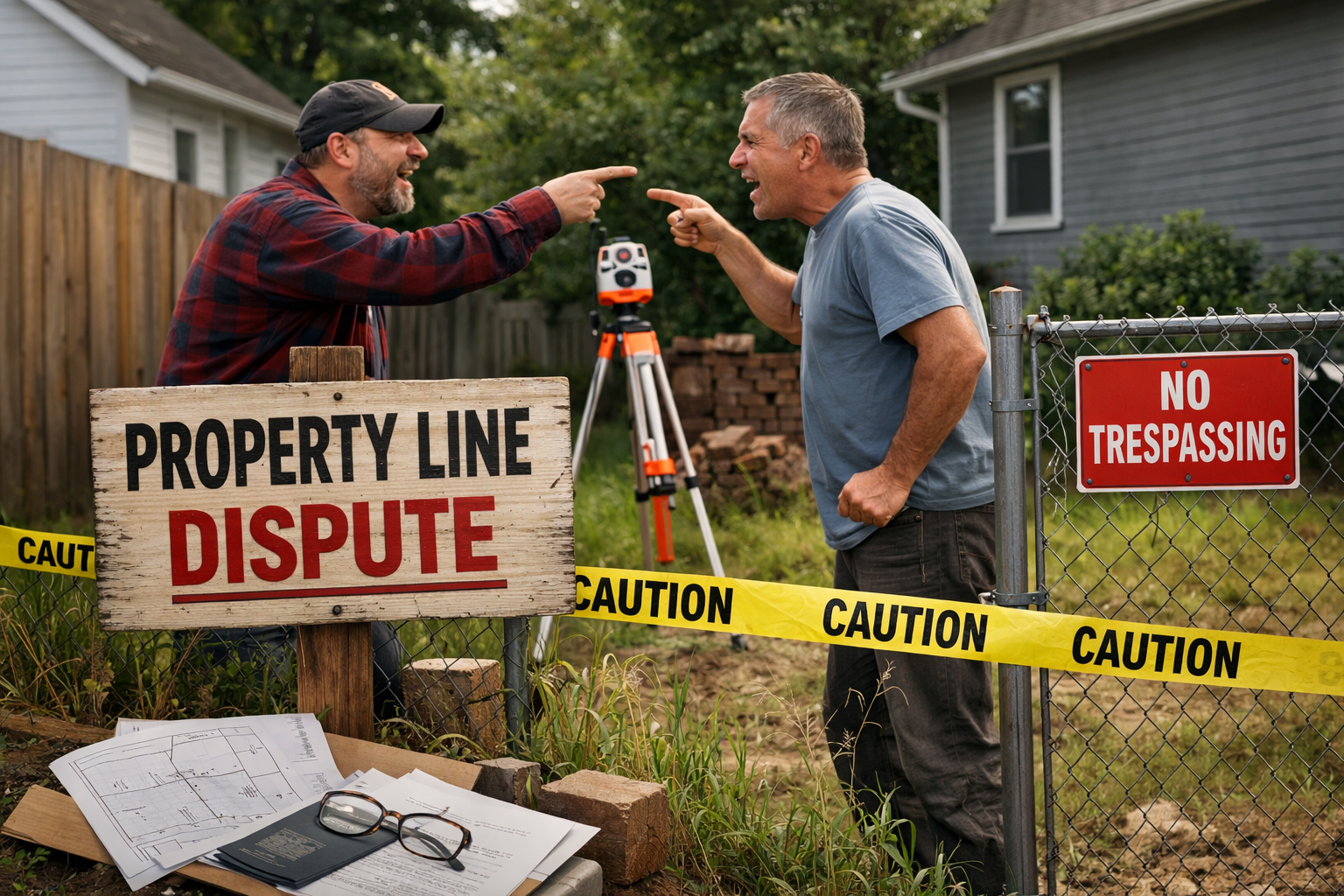




Property disputes are among the most common legal conflicts in India, often arising due to unclear ownership, inheritance issues, fraudulent transactions, or disagreements among family members. With increasing urbanization and rising property values, these disputes have become more complex and frequent, especially in metropolitan and semi-urban regions.
What is a Property Dispute?
A property dispute refers to any legal disagreement involving ownership, possession, title, or usage rights of immovable property such as land, houses, or commercial spaces. These disputes can occur between family members, buyers and sellers, landlords and tenants, or even between neighbors.
Common Types of Property Disputes
- Title Disputes: When ownership documents are unclear or contested.
- Partition Disputes: Common in joint family properties where division is disputed.
- Inheritance Issues: Conflicts arising after the death of a property owner without a clear will.
- Landlord-Tenant Disputes: Related to rent, eviction, or lease agreements.
- Encroachment Cases: Unauthorized occupation of land or property.
- Builder-Buyer Disputes: Delays in possession, poor construction quality, or fraud.
Legal Framework Governing Property Disputes
Property disputes in India are governed by several laws, including:
- Transfer of Property Act, 1882
- Indian Succession Act, 1925
- Hindu Succession Act, 1956
- Registration Act, 1908
- Real Estate (Regulation and Development) Act, 2016 (RERA)
These laws provide a structured mechanism for resolving disputes and protecting ownership rights.
Causes of Property Disputes
- Lack of proper documentation
- Illegal possession or encroachment
- Family disagreements over inherited property
- Fraudulent sale or multiple registrations
- Ambiguous property boundaries
Legal Remedies Available
- Civil Suit for Declaration and Possession
- Partition Suit
- Injunction Orders to prevent illegal occupation
- Specific Performance in case of contract violation
- RERA Complaints for builder-related issues
Alternative Dispute Resolution (ADR) methods such as mediation and arbitration are also increasingly used to settle disputes faster and amicably.
Importance of Legal Assistance
Hiring an experienced property lawyer is crucial to handle documentation, represent your case in court, and ensure your rights are protected. Legal experts also help in due diligence before purchasing property, minimizing the risk of future disputes.
Conclusion
Property disputes can be time-consuming and emotionally draining. However, with proper legal guidance, documentation, and timely action, these issues can be effectively resolved. Whether it is a family inheritance issue or a commercial property conflict, understanding your legal rights is the first step toward resolution.